
Commercial General Liability vs. Errors and Omissions Insurance: What’s the Difference?
If you own a business, you've probably heard of Commercial General Liability Insurance and Errors and Omissions Insurance (E&O). You may even have been told that your business needs both.
But what's the difference between General Liability and Errors and Omissions Insurance, and when does each policy respond?
At Miller Insurance Brokers, this is a question we hear from business owners regularly. The simplest way I explain it is:
General Liability is primarily designed for claims involving bodily injury and property damage. Errors and Omissions Insurance is designed for claims involving professional mistakes, advice, or services that cause a client financial loss.
Understanding that difference can make a big difference when choosing the right commercial insurance coverage.
What Is Commercial General Liability Insurance?
Commercial General Liability Insurance, often called CGL or simply General Liability, is one of the most common types of business insurance.
General Liability is designed to protect a business against certain claims involving:
- Bodily injury
- Property damage
- Products and completed operations
- Certain personal and advertising injuries
For example, imagine a customer walks into your business, slips on a wet floor, and gets injured. That is the type of claim a Commercial General Liability policy is generally designed to address.
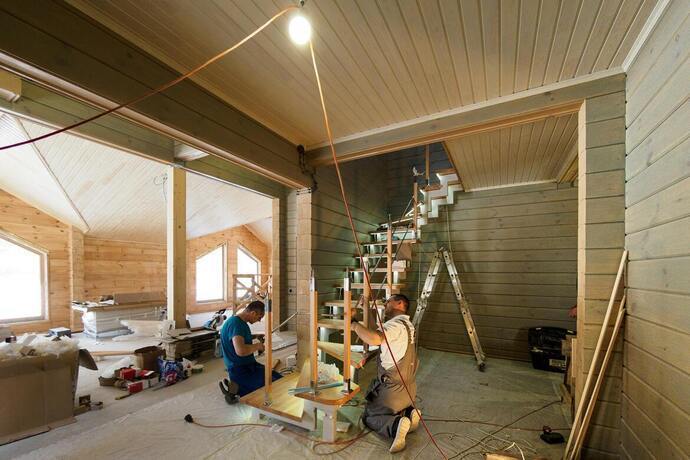
The same concept can apply to contractors. If you're working at a customer's home or business and accidentally cause property damage, your General Liability policy may respond, depending on the circumstances and the specific policy language.
A Real Claim Experience From Miller Insurance Brokers
One of the best ways I can explain the importance of General Liability Insurance is through a claim I handled as an insurance agent.
I had a situation involving a contractor working in a homeowner's property. During the work, a vanity flooded the home and caused property damage.
The homeowner had a significant problem, and the contractor was potentially responsible for damage caused during the work.
We were able to get the claim filed and ultimately paid through the contractor's insurance, without leaving the homeowner or contractor responsible for the additional financial burden of the damage.
This is a great example of why Commercial General Liability Insurance is so important for contractors and other businesses performing physical work.
A simple mistake can turn into thousands of dollars in property damage very quickly.
At Miller Insurance Brokers, helping our commercial clients understand what their insurance is designed to do is an important part of what we do. Insurance isn't just about having a policy in place. It's about understanding how that policy can respond when something goes wrong.
What Is Errors and Omissions Insurance?
Errors and Omissions Insurance, commonly called E&O or Professional Liability Insurance, addresses a very different type of risk.
E&O is designed for businesses that provide professional services, advice, expertise, recommendations, or specialized knowledge.
Instead of a customer claiming that you physically damaged their property, they may claim that your professional mistake caused them to lose money.
Examples can include:
- Making a professional error
- Providing incorrect advice
- Missing an important deadline
- Failing to provide a promised service
- Leaving important information out of your work
- Making an error that causes a client financial loss
For example, imagine an accountant makes an error on a client's tax return. The client later claims that the mistake resulted in a significant financial loss.
Nobody slipped and fell. No building was damaged.
Instead, the allegation is that the professional service was performed incorrectly and caused financial harm.
That's where E&O Insurance becomes important.
General Liability vs. E&O: The Easy Way to Remember
I often explain the difference to business owners this way:
General Liability:
"You damaged something or someone was injured because of your business operations."
Errors & Omissions:
"Your professional service or advice caused me to lose money."
That simple distinction helps explain why having General Liability does not automatically mean you have professional liability coverage.
A standard Commercial General Liability policy isn't designed to cover every mistake a business can make. Professional liability is a separate exposure that may require its own E&O policy.
General Liability vs. Errors and Omissions Insurance
| Coverage | General Liability | Errors & Omissions |
|---|---|---|
| Bodily injury | Generally covered* | Not the primary purpose |
| Property damage | Generally covered* | Not the primary purpose |
| Professional mistakes | Generally excluded | Primary purpose |
| Professional advice | Generally not covered | Potentially covered |
| Financial loss from professional services | Generally not covered | Potentially covered |
| Slip-and-fall claim | Potentially covered | Generally not covered |
| Contractor damages customer property | Potentially covered | Generally not covered |
| Client claims professional negligence | Generally not covered | Potentially covered |
*Coverage is always subject to the specific policy terms, conditions, exclusions, endorsements, and circumstances of the claim.
Who Needs General Liability Insurance?
Most businesses should at least consider Commercial General Liability Insurance.
This can include:
- Contractors
- Restaurants
- Retail businesses
- Landscapers
- Janitorial companies
- Manufacturers
- Wholesalers
- Service businesses
- Property owners
- Many other types of businesses
The exposure is different for every business. A contractor may be worried about damaging a customer's home, while a restaurant may be more concerned about a customer being injured on the premises.
Who Needs E&O Insurance?
E&O is especially important for businesses where customers are paying for your knowledge, expertise, advice, or professional services.
This can include:
- Consultants
- Accountants
- Insurance agents
- Real estate professionals
- Architects and engineers
- IT professionals
- Technology companies
- Marketing consultants
- Designers
- Business advisors
- Other professional service providers
If a customer could potentially say, "I relied on your professional expertise, and your mistake cost me money," E&O should be part of the conversation.
Do You Need Both?
For many businesses, the answer is yes.
A business can have both physical and professional liability exposures.
For example, an IT company could accidentally damage a customer's equipment while working onsite. That's potentially a General Liability exposure.
The same company could also make an error in software development that causes the customer to lose revenue. That's potentially an E&O exposure.
Different risks require different types of insurance.
The Bottom Line
One of the biggest mistakes I see business owners make is assuming that having a $1 million General Liability policy means they're protected against every mistake their business could make.
That's not how commercial insurance works.
General Liability and Errors and Omissions Insurance protect against different types of risks.
General Liability is primarily about bodily injury and property damage arising from business operations.
E&O is primarily about professional services, mistakes, advice, and financial losses suffered by a client.
My experience with the contractor whose vanity flooded a homeowner's property is a good example of why General Liability matters. A mistake during the work resulted in physical property damage, and the contractor's liability coverage played an important role in getting the claim resolved.
At Miller Insurance Brokers, our goal is to help business owners understand these differences before a claim happens. The right commercial insurance program starts with understanding how your business operates and identifying the risks that come with it.
The important question isn't simply:
"Do I have liability insurance?"
The better question is:
"Do I have the right liability insurance for the way my business operates?"
If you're unsure whether your business needs Commercial General Liability Insurance, Errors and Omissions Insurance, or both, contact Miller Insurance Brokers to discuss your commercial insurance needs.
The goal isn't just to buy insurance.
The goal is to have the right coverage when your business needs it most.